


Replaced two smelly plastic trays with the stainless steel box and the difference was immediate. It rinses fully clean and the flat finally smells neutral. Should have made the switch years ago.
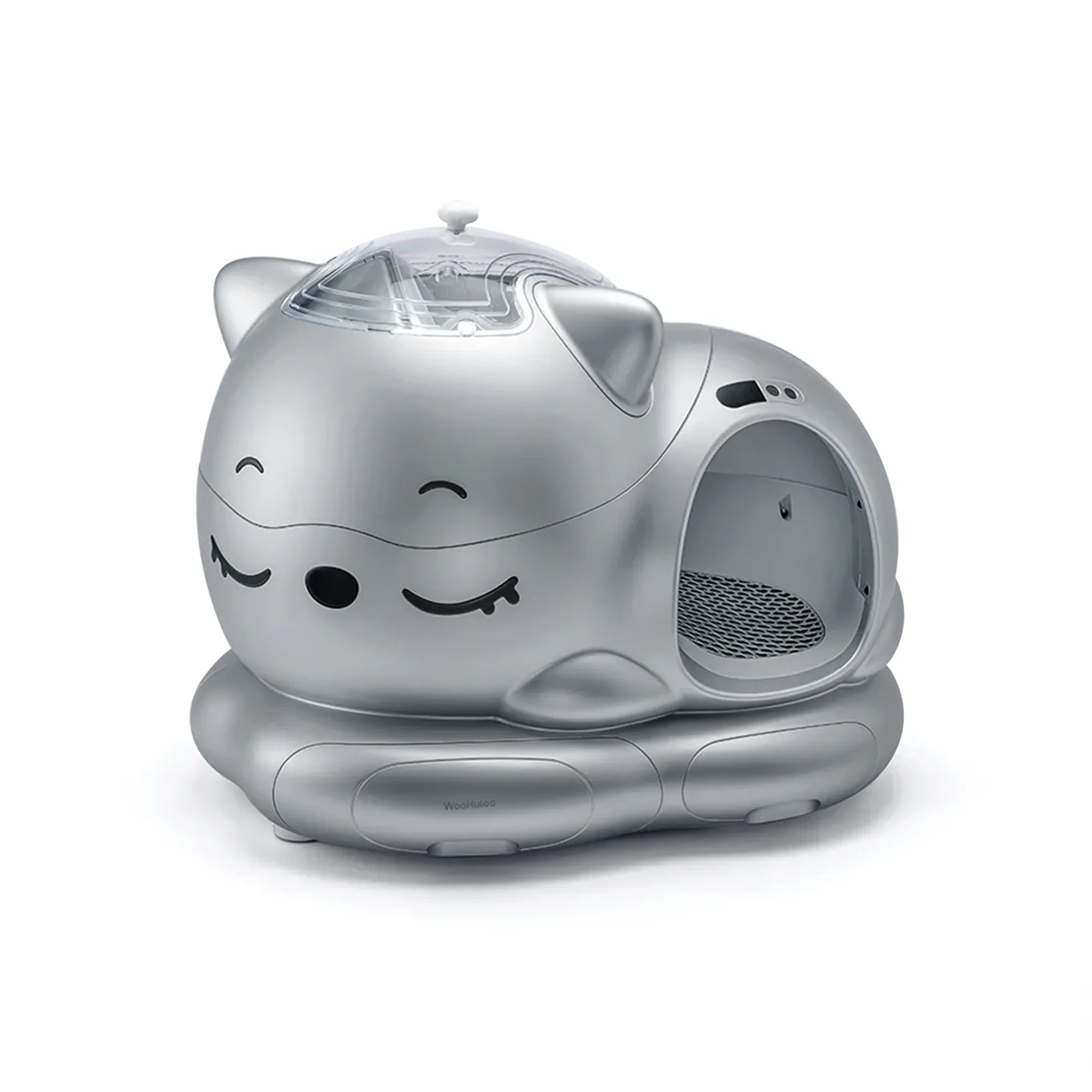
Shop cat litter trays in one place. Stainless steel boxes, self-cleaning litter boxes, tray basins and scoops built for a hygienic, low-effort litter routine. Browse the full cat litter tray range.


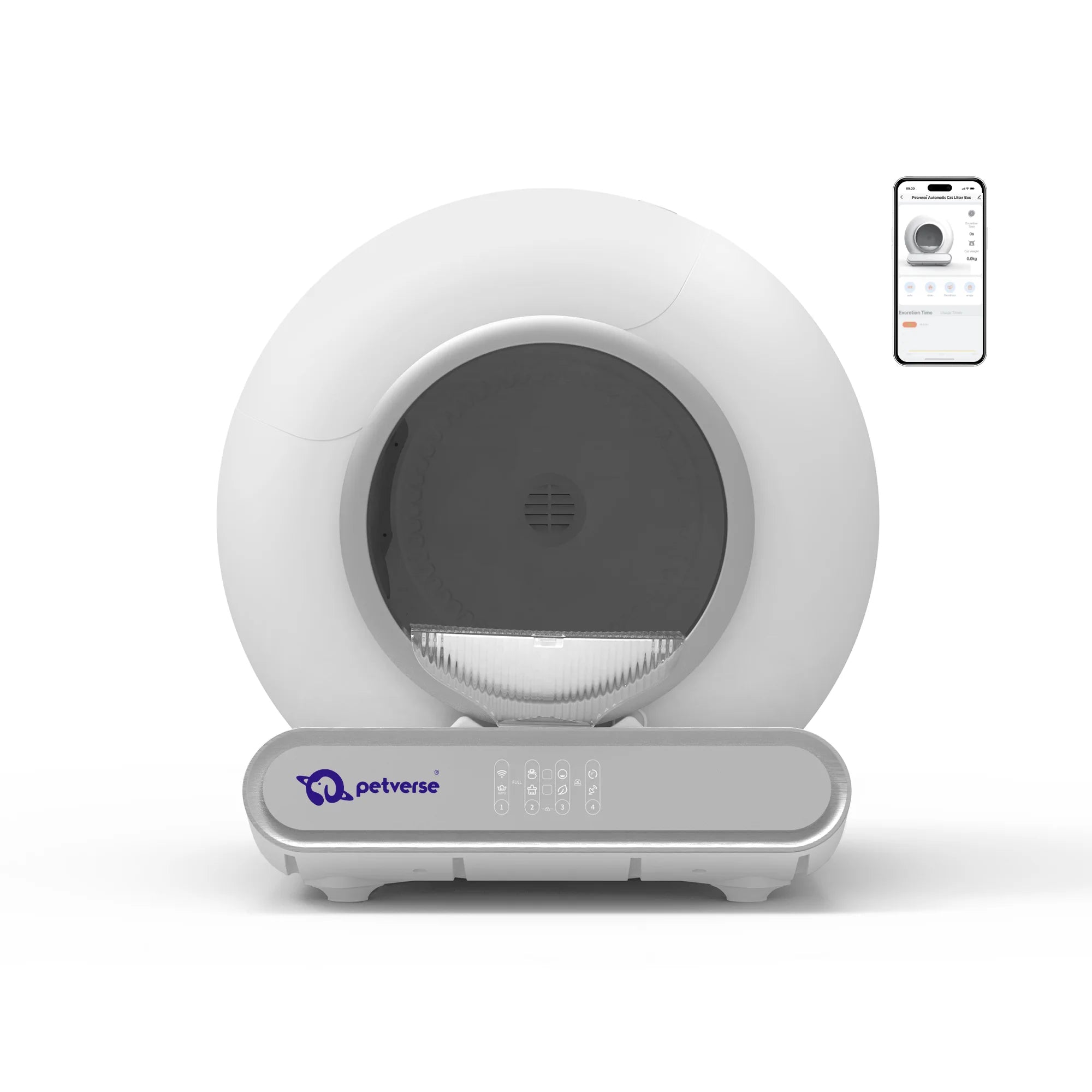
Most litter problems start with the tray. A cramped or scratched plastic tray traps odour and is the top reason cats start going elsewhere. This collection fixes that. You get non-porous stainless steel boxes that rinse fully clean, a self-cleaning box that sifts waste into a sealed bin, washable tray basins that turn deep cleans into a quick rinse, and steel scoops for the daily once-over, for one kitten or a busy multi-cat home.


Replaced two smelly plastic trays with the stainless steel box and the difference was immediate. It rinses fully clean and the flat finally smells neutral. Should have made the switch years ago.

Got the self-cleaning box for our two cats and the tray basin for the old open tray in the balcony. Between them, scooping has gone from twice a day to emptying a drawer twice a week.

The high-sided steel tray stopped my digger from flinging litter across the bathroom. Heavier than plastic, which keeps it in place, just note it when you mop. Quality is excellent.

Ordered the fine mesh scoop with the litter tray and they work brilliantly together, clean litter sifts back and only clumps come out. Everything arrived well packed with COD, no fuss.

My senior cat had started avoiding her cramped old tray. The XL steel box with the low side entry fixed it in a week, she uses it every time now. Roomy, easy to clean, zero smell.
Good one-stop collection for the whole litter setup. The washable basin liner saves me scrubbing the automatic box tray. Would love to see litter itself added to the range so it is truly everything in one order.
Start with size. Your cat should be able to stand, turn and dig comfortably, which usually means a tray at least one and a half times their body length. Then think about material, since stainless steel stays odour-free far longer than plastic. High sides help if your cat digs enthusiastically, and a low entry point helps kittens and senior cats.
The most common reasons are a tray that is too small, too dirty, or smells wrong, cats are far more sensitive to trapped odour than we are. Moving to a larger, non-porous tray, scooping daily and deep cleaning weekly solves most avoidance. If a clean, roomy tray is still refused, a vet check rules out a medical cause.
Yes, for hygiene and lifespan. Plastic is porous and scratches, so it absorbs urine odour and harbours bacteria no matter how often you scrub. A stainless steel cat litter box tray is non-porous and rust-resistant, so it rinses fully clean, never holds smell, and lasts years instead of being replaced every season.
It is a waterproof, washable liner that sits in the base of an open top or automatic litter box. Litter goes on top as normal, the basin blocks liquid from staining the tray, and deep cleaning becomes lifting it out and rinsing it. It is optional but saves real scrubbing time, especially with automatic boxes.
The standard rule is one tray per cat plus one spare, so two cats do best with three trays. It prevents queueing and territorial avoidance. If space is tight, an XL tray plus a self-cleaning litter box is the most practical compromise for a two-cat home.
Scoop waste daily, top up litter as needed, and do a full empty and wash weekly for plastic trays. A stainless steel tray can stretch deep cleans further since odour rinses away completely, and a self-cleaning box needs only its waste drawer emptied every few days.
You might like


