

How to Keep Your Cat & Dog Hydrated in Indian Summer
What you're looking for:
Dogs need roughly 50 to 70ml of water per kg of body weight daily (more in peak summer heat), while cats need about 40 to 60ml per kg, with both requirements rising further as temperatures climb past 40°C. Watch for dehydration signs like sticky gums, sunken eyes, and low energy in dogs, and reduced litter visits or stopped eating in cats. A pet water fountain encourages more frequent drinking than a static bowl since moving water stays cooler and fresher.
When your Labrador is already painting heavily by 9 am and the temperature is pushing upward to 36°C, or your Persian cat is stretched out and looking for cooling from the bathroom tiles and trying to escape the heat, that indicates to you that Indian summer has truly arrived. Unlike other climates, India's premonsoon heat from March to June sometimes crosses 40°C, and even in coastal cities, humidity makes it more difficult and exhausting for pets. Because of this, sometimes it can risk some issues like dog dehydration summer India becoming very real. Most of the dogs lose water through panting; on the other hand, cats rely on grooming, but both can become dehydrated quickly without any prior warning or signs. In this guide, we will tell you how to keep cat hydrated, improve water intake using different tools like pet water fountain summer, and follow practical and Indian temperature specific tips for your pets.
Why Indian Summer Is Harder on Pets Than You Think
Indian summers are much more extreme than pet owners think. In cities such as Delhi, Vidarbha and Rajasthan soar above 45°C and Mumbai, Chennai and Kolkata have added humidity to the mix that makes cooling even more difficult. Pets in summer India pant during hot days to regulate their temperature, but humidity decreases the rate of evaporation of heat and water from the body, putting them at risk of becoming dehydrated, while cats lose fluids through grooming. The actual risk is the "deceptive phase" when pets can be losing water at a rate that exceeds what they are drinking and yet they do not appear to be showing any symptoms; by that stage they could be 5-7% dehydrated. Even indoor pets aren't safe as the non-AC house can get 32-34°C and the fans will not be much help as pets do not sweat like humans. The most hazardous window for risk is between 11 AM and 5 PM during the month of March to June when there is a high risk of heat stress and dehydration.
How Much Water Do They Actually Need?
The total needs of your pet depends on many factors such as your pet body weight and how much water it needs to keep itself hydrated throughout the day. All the information is listed in the below table according to the body weight and water intake.
| Pet Type | Body Weight (kg) | Normal Daily Water Intake | Water Intake in Peak Indian Summer |
| Dog | 5 kg | ~300 ml | ~375–400 ml |
| Dog | 10 kg | ~500–600 ml | ~650–750 ml |
| Dog | 20 kg | ~1,000 ml | ~1,200–1,300 ml |
| Dog | 30 kg | ~1,500 ml | ~1,800 ml |
| Cat | 3–4 kg | ~150–200 ml | ~220–250 ml |
| Cat | 5–6 kg | ~200–250 ml | ~280–320 ml |
Warning Signs of Dehydration in Dogs & Cats
With that being said, dehydration happens differently in dogs and cats, and many pet parents don't notice the early signs. Unlike most other animals, dogs will exhibit more obvious symptoms such as being overly hot or tired; these are typically dismissed as “normal summer behaviour. The other way around, however, is that cats might be more subtle when they start showing signs of dehydration; once they do, it's typically quite advanced. Once obtained, you will be able to take precautions and avoid health hazards during the hot summer in India.
| Sign | In Dogs | In Cats |
| Gum Check | Gums feel sticky/tacky instead of slippery | Gums appear pale or dry |
| Skin Tent Test | Pinch skin on neck/back — returns slowly (>2 sec) | Same test, but harder to read through fur |
| Energy Level | Unusual lethargy, reluctance to play or walk | Hiding more than usual, not jumping on perches |
| Eyes | Slightly sunken appearance | Visibly sunken — a late-stage sign in cats |
| Urination | Less frequent, darker yellow urine | Fewer litter box visits; concentrated urine |
| Appetite | Reduced interest in food | Often stops eating before showing other signs |
| Panting | Excessive panting with no exercise | Panting in cats is always abnormal — call vet immediately |
How Much Water Do Cats & Dogs Need in Indian Summer?
In hot weather months such as the Indian summer, pets need more water than usual, as well as more fluid intake, due to heat stress, more fluid loss and decreased appetite. Dogs require, on average, about 50-70ml of water for every kg of body weight, cats approximately 40-60ml water for every kg of body weight. However, during hot weather, high humidity, and high activity, these requirements may increase even further, particularly when dealing with dog dehydration risk during hot weather.
Dry food does not contain much moisture and when a pet consumes it, it requires a lot more water. Likewise, active breeds or outdoor pets sweat more rapidly and will need to be watered more often during the day. That's when products such as a cat water fountain or dog water fountain come into play. They help pets drink more frequently and give owners a better chance at monitoring their pets' water intake more effectively than static bowls do.
| Pet Weight | Approx Water Need (Summer) |
| 5 kg | 250–350 ml/day (cats/small dogs) |
| 10 kg | 500–700 ml/day |
| 20 kg | 1.0–1.4 litres/day |
| 30 kg | 1.5–2.1 litres/day |
Water Fountain vs Bowl Which Works Better in Summer?
Hydration is not only a matter of supply during Indian Summer, but it's also one of willingness to drink as well. However, although the bowls may have been around for many years, they do not necessarily guarantee pets’ proper hydration, especially once the symptoms of dehydration start manifesting together with the lack of appetite. It is at this point that choosing between a bowl or a cat drinking fountain becomes critical.
Regular Bowl Problems
Static water bowls do not necessarily perform well during the summer. High temperatures heat water up rapidly and they won't be as interested in drinking it. Open bowls tend to collect dust, fur and debris easily, particularly in Indian households where the fans keep on blowing air all day long. Cats don't particularly enjoy still water and may not drink as much as they need to. Plus, distraught pet parents might miss the frequent refills, leading to a risk of dehydration.
How does it work that fountains work better?
A pet drinking fountain, such as a cat or dog water fountain, addresses these problems by providing moving water which, of course, makes pets more likely to come. Running water remains fresher and cooler longer and more enjoyable in hot weather. Ideal for fussy cats and energetic dogs that require frequent refreshments throughout the day.
The Smart Motion Sensor Pet Water Fountain 4L is engineered to provide constant water motion and promote good water habits. Besides, a pet water fountain can help in water consumption, it can also lower the likelihood of your dog being dehydrated, and it's a better alternative than the standard bowl during the extreme Indian summer.
Best Pets for Water Fountains in Indian Summer
In hot climates, pet hydration systems offer more consistent and fresh water, and are better suited for certain pet needs than traditional bowls, particularly in hot environments. Rather than being used for its practicality, the modern design is engineered to accommodate ongoing water flow, motion activation and improved hygiene, making it more efficient for daily use. Some of the most used and best selling Petverse pet water fountains are given below.
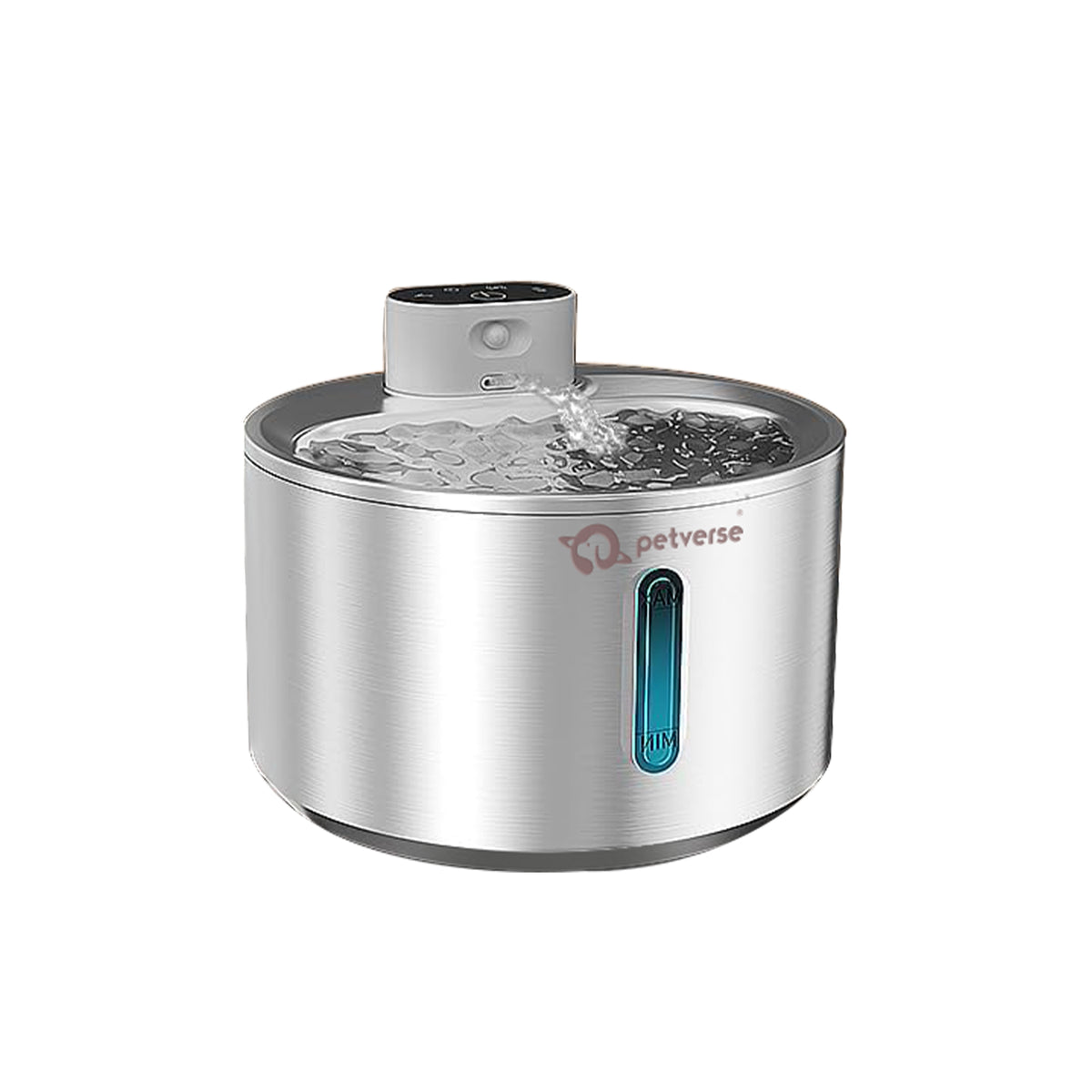
Smart Motion Sensor Pet Water Fountain (4L)
For long lasting hydration benefit, movement activated that will encourage pets to drink more often. Its use of a large 4L capacity allows for longer refill intervals and the steady flow of water ensures freshness and beauty.

Wireless Pet Water Fountain (2L)
A small, wireless Pet Water Fountain (2L) unit that can be mounted anywhere in the house. It is easy to operate, easy to maintain, and provides a consistent water supply while also having a clean circulating water system which promotes improved drinking behaviors.
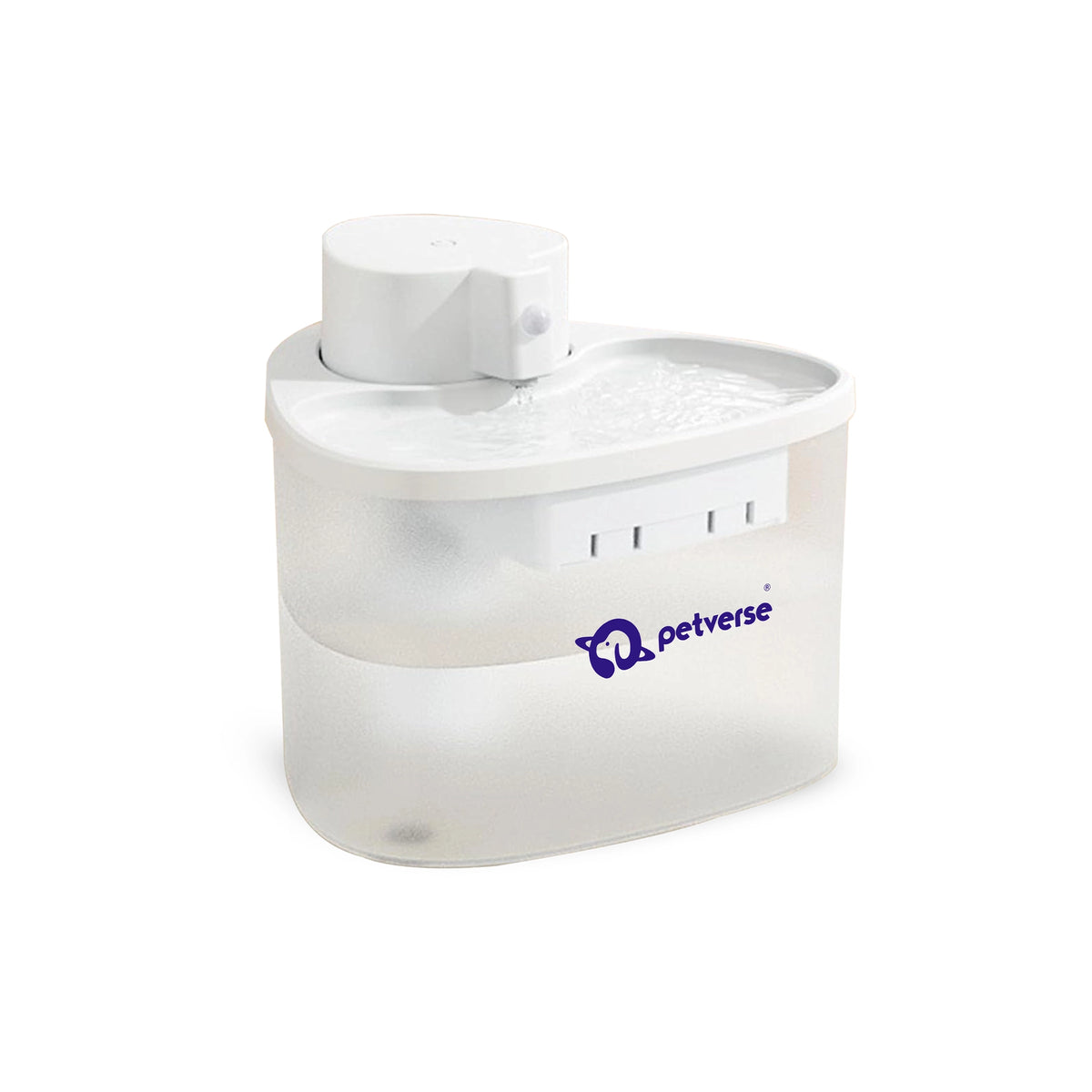
Wireless Pet Water Fountain (2L) – White
The same efficient wireless technology water fountain in a clean white hue for modern interiors. Its compact design helps save space, and it produces continuous flow water and better sanitation than conventional bowls.
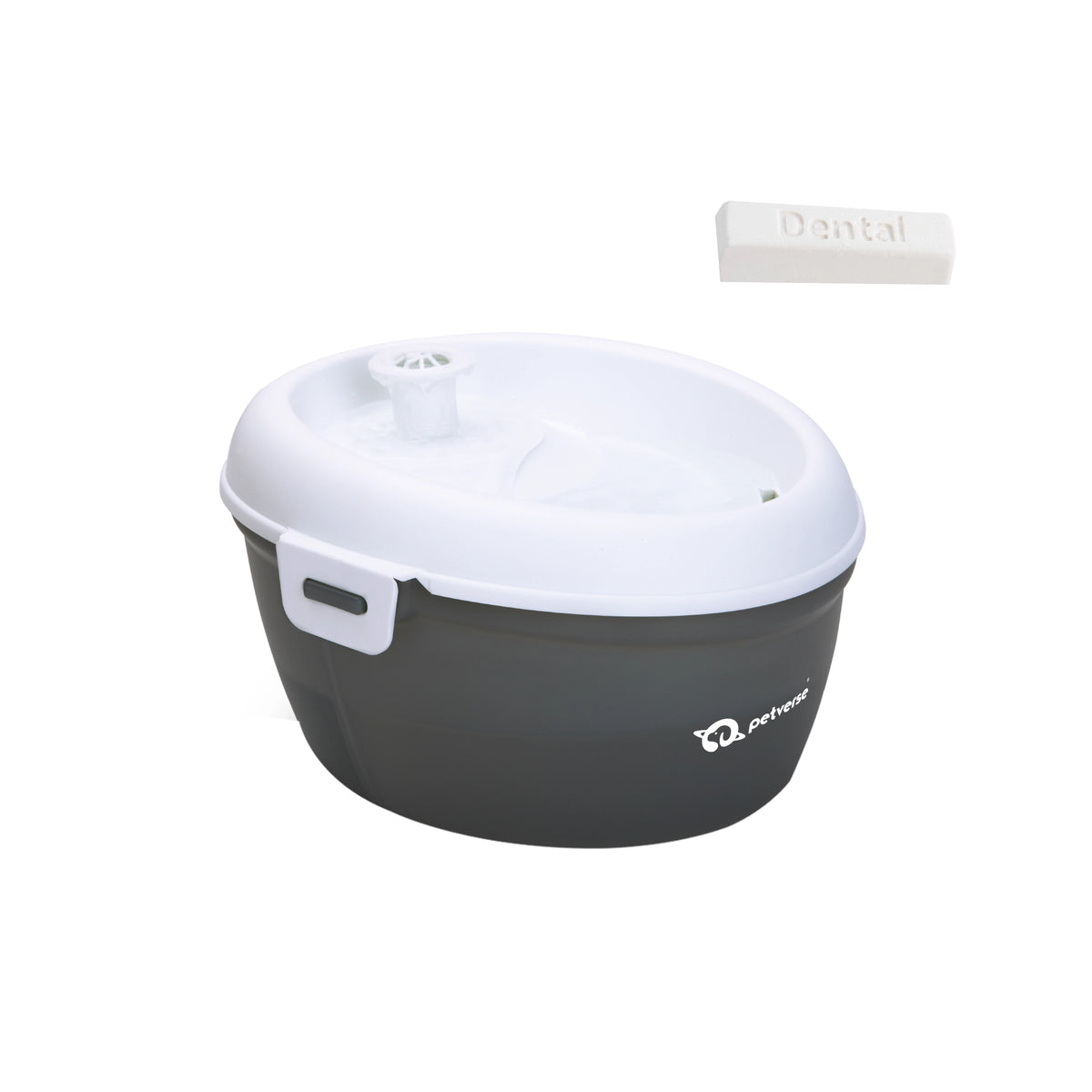
Oral Care Pet Water Fountain
In order to improve oral health and stay hydrated, the Oral Care Pet Water Fountain can be used in combination with enzymes dental tablets in order to decrease the formation of plaque. Thanks to its constant flow of water and capacity of two liters, this fountain ensures that pets will have access to fresh and clean water at all times.
Instead of using water bowls, these cat water fountains and dog water fountains are designed to encourage movement, improve water quality, and reduce water stagnation to provide better hydration.
Common Summer Hydration Mistakes Indian Pet Parents Make
Most of the pet owners unknowingly expose their pets to dehydration risks during the peak Indian summers due to some practices that lower the amount of water intake. However, upon recognizing these practices, they are easily corrected. They include the following:
One water bowl for the whole house
Having a single water bowl at a particular place limits the access to water, since your pet may not always have to move there to drink. Hydration stations or water fountains may be helpful.
Water bowl next to the litter box
Since cats are clean animals, they tend to avoid water placed next to their litter boxes, thus lowering water consumption.
Afternoon walks
Walking the pets during afternoon hours increases fluid loss through panting. It makes the pets vulnerable to dehydration risks.
Believing that indoor pets are safe
The indoor environment can also become too hot during Indian summers, even without air conditioning. Hence, the risk of silent dehydration is still present.
Relying only on dry kibble
Dry food contains very little moisture, and depending on it alone increases the need for external water intake.
Leave a comment